The guest decides before sitting down
A guest opens Instagram, looks at three photographs and decides. If the pictures are poor they do not come, no matter how good the food is. In hospitality the first impression happens on a screen, and only then at a table.
What usually holds you back
Photographs taken on a phone
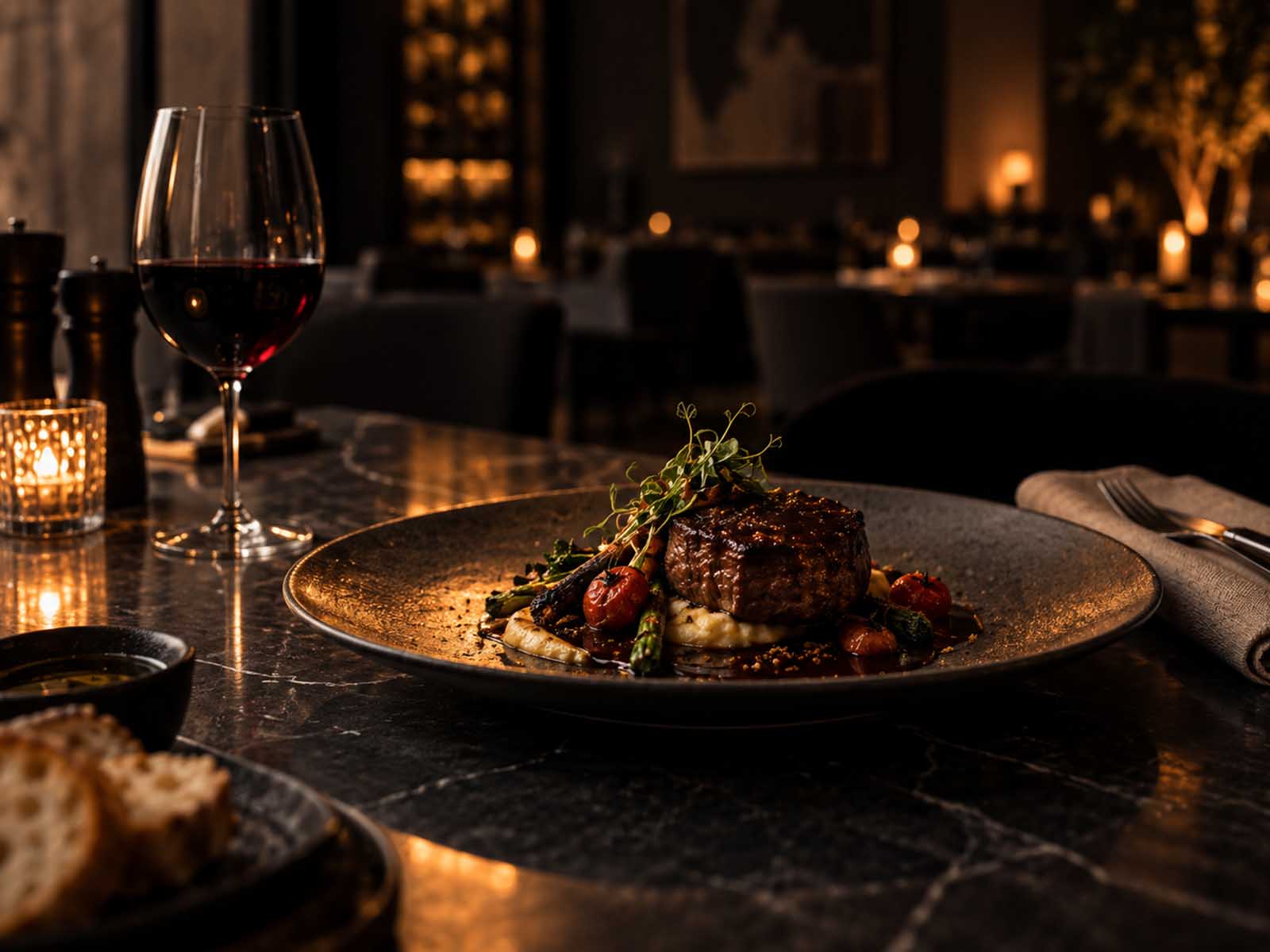
Food that looks excellent in the room looks ordinary in a bad photograph. No description fixes that, and the guest keeps scrolling.
A menu nobody reads
Small type, too many items and no hierarchy. Guests order the first thing they see rather than the dish you make money on.
Invisible on maps
Most restaurant searches are 'near me'. An unclaimed profile with no reviews does not appear in them.
A different brand on every surface
One look on the sign, another on the menu, a third on the feed. The guest reads that as carelessness, correctly.
What we do for restaurants & hotels
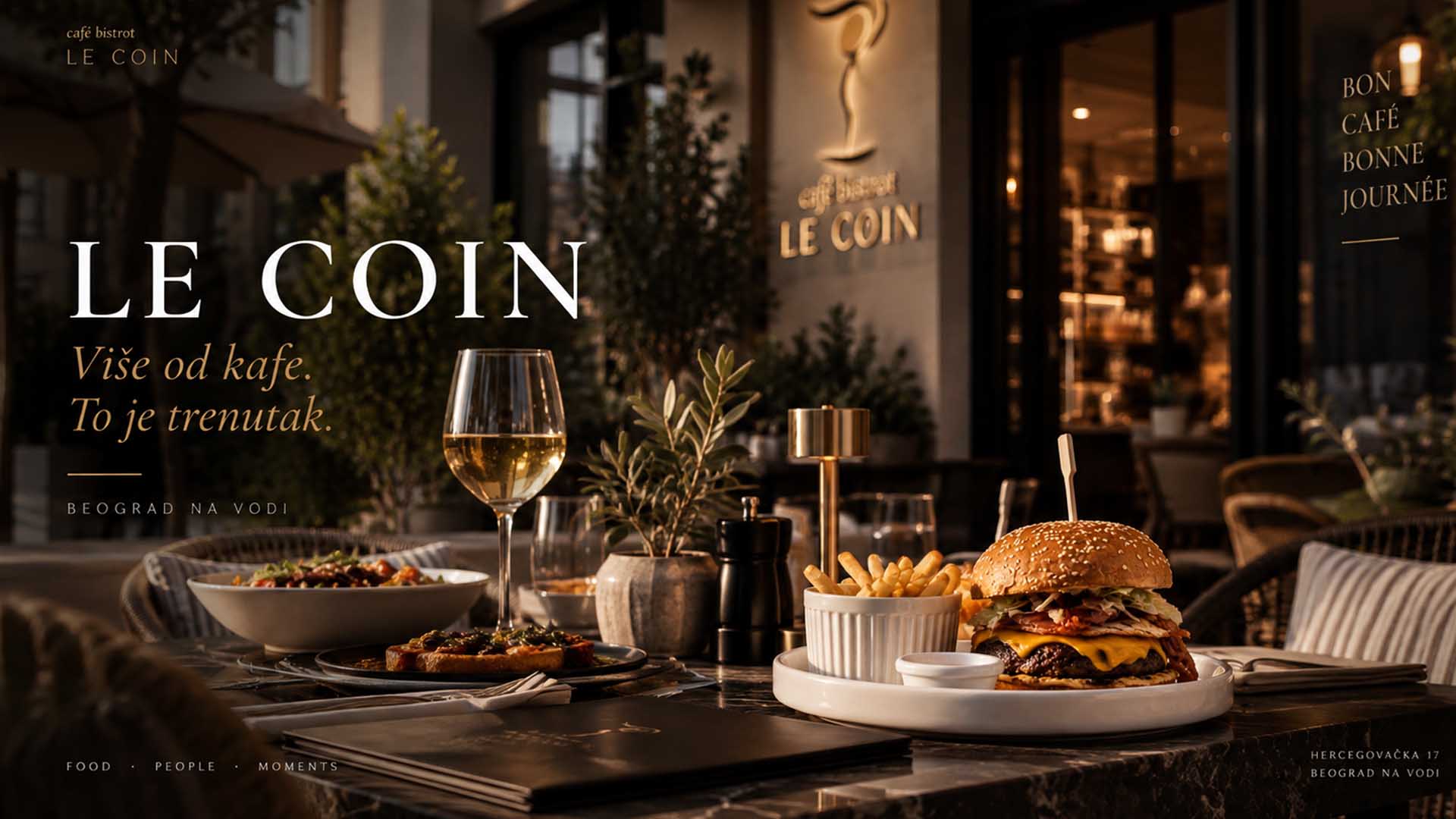
- Food and interior photographyDishes, drinks, the room and the atmosphere. Frames that work on the menu, on Instagram and on delivery platforms alike.
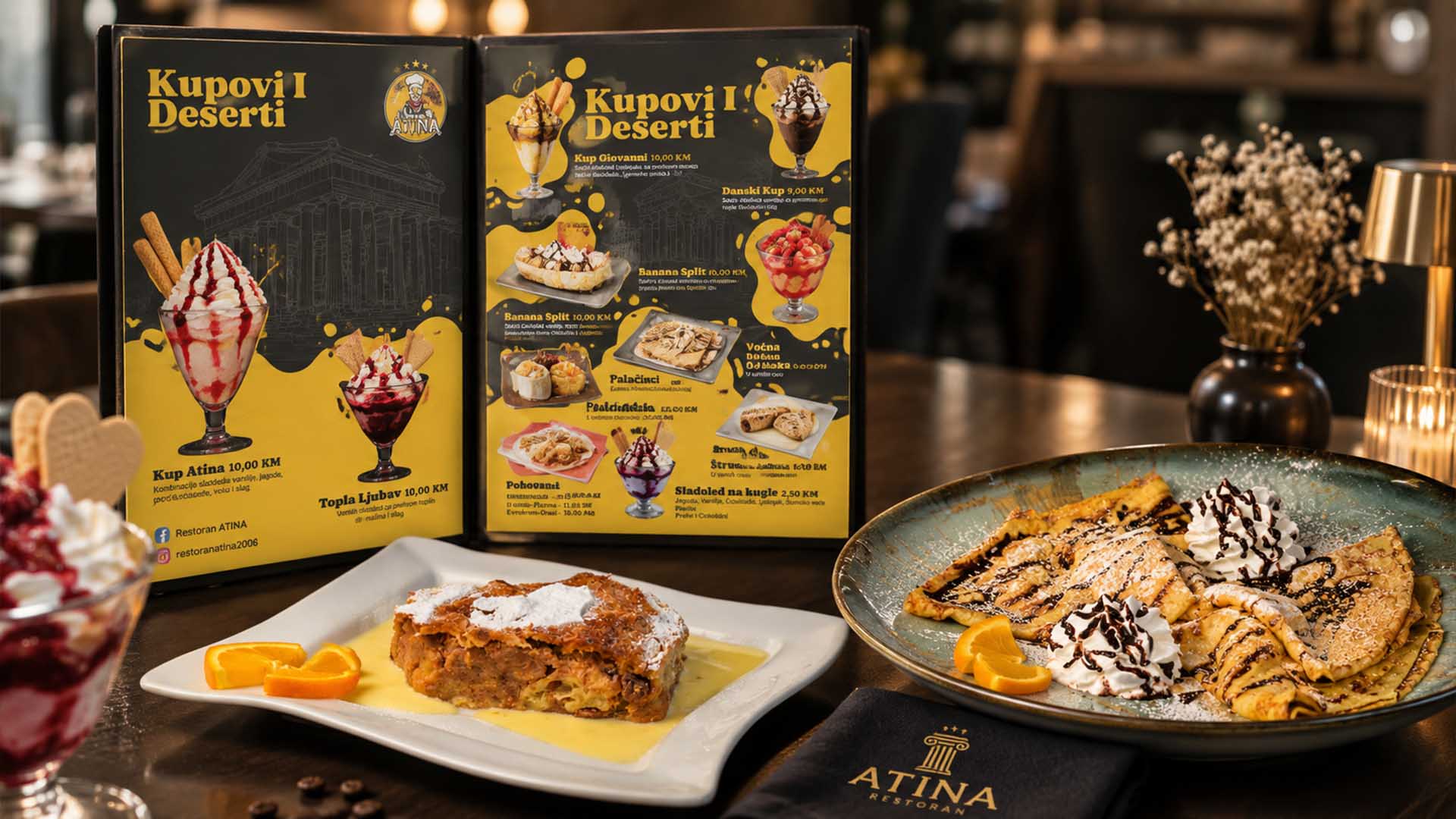
- Menus and printMenu design and print preparation, including advice on paper that survives daily handling.
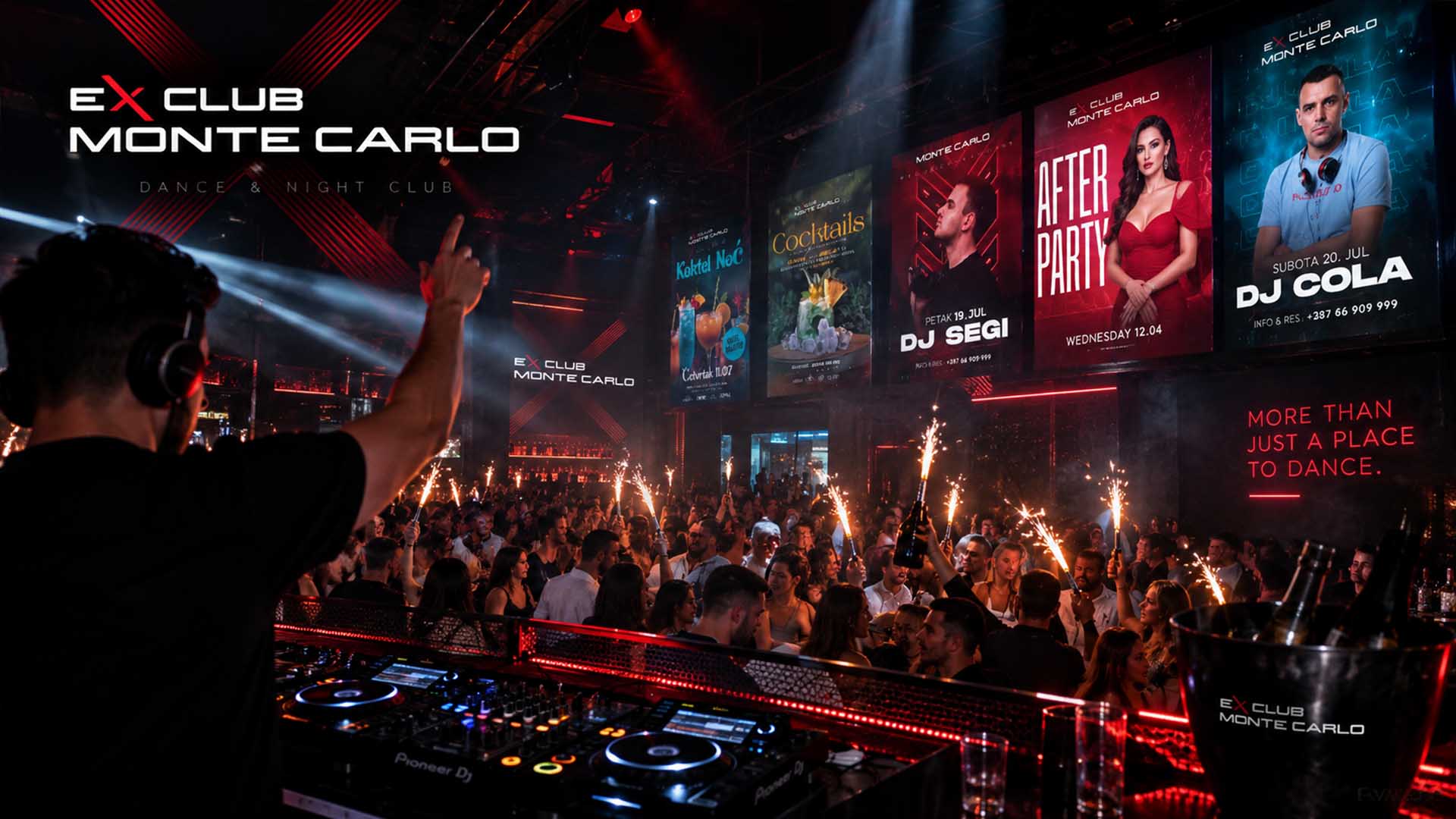
- Visual identityMark, color and typography that tie the sign, the menu, the packaging and the profile into one thing.
- Website with reservationsMenu, gallery, location and booking, loading in under a second on a phone at the door.
- Social contentA steady rhythm of posts and reels produced from the same shoot days, rather than scraped together weekly.
Common questions
How often do we need new photography?
Twice a year covers most restaurants, aligned with menu changes. Between shoots we produce enough variants from one day to keep the feed moving without repeating the same three plates.
Do you work with restaurants outside the region?
For branding, menus and websites, yes — that work travels. Food photography means being in your kitchen, so for clients abroad we either plan a shoot trip or work with a local photographer to our brief.
Our menu changes constantly. Is print worth it?
Then the structure matters more than the printing. We design menus with a fixed frame and replaceable inserts, so a seasonal change costs a reprint of one page rather than the whole thing.